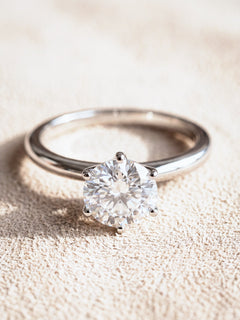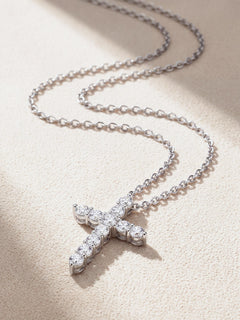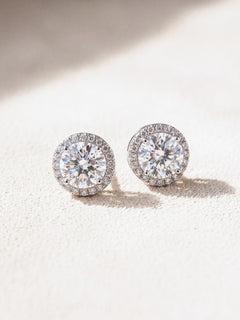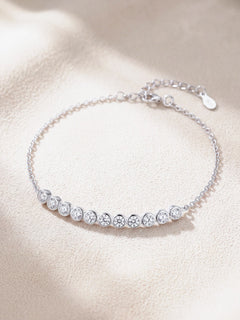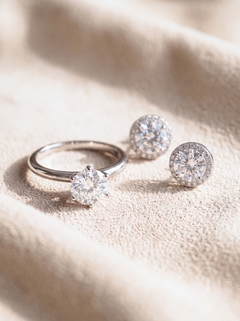

The question everyone asks
It passes the diamond tester. Here is why that is almost beside the point.
Why it passes
The test measures heat, not identity.
Diamond testers work by checking thermal conductivity — how fast a stone pulls heat away from a probe. Diamond does this exceptionally fast. So does moissanite. So the testers found in the overwhelming majority of jewellery counters cannot separate the two, because thermally they behave almost identically.
The instruments that reliably tell them apart are dual thermal/electrical testers, built specifically to catch moissanite. Most counters do not have one, and most jewellers will not reach for it on a customer’s ring.
Why moissanite sparkles differently.
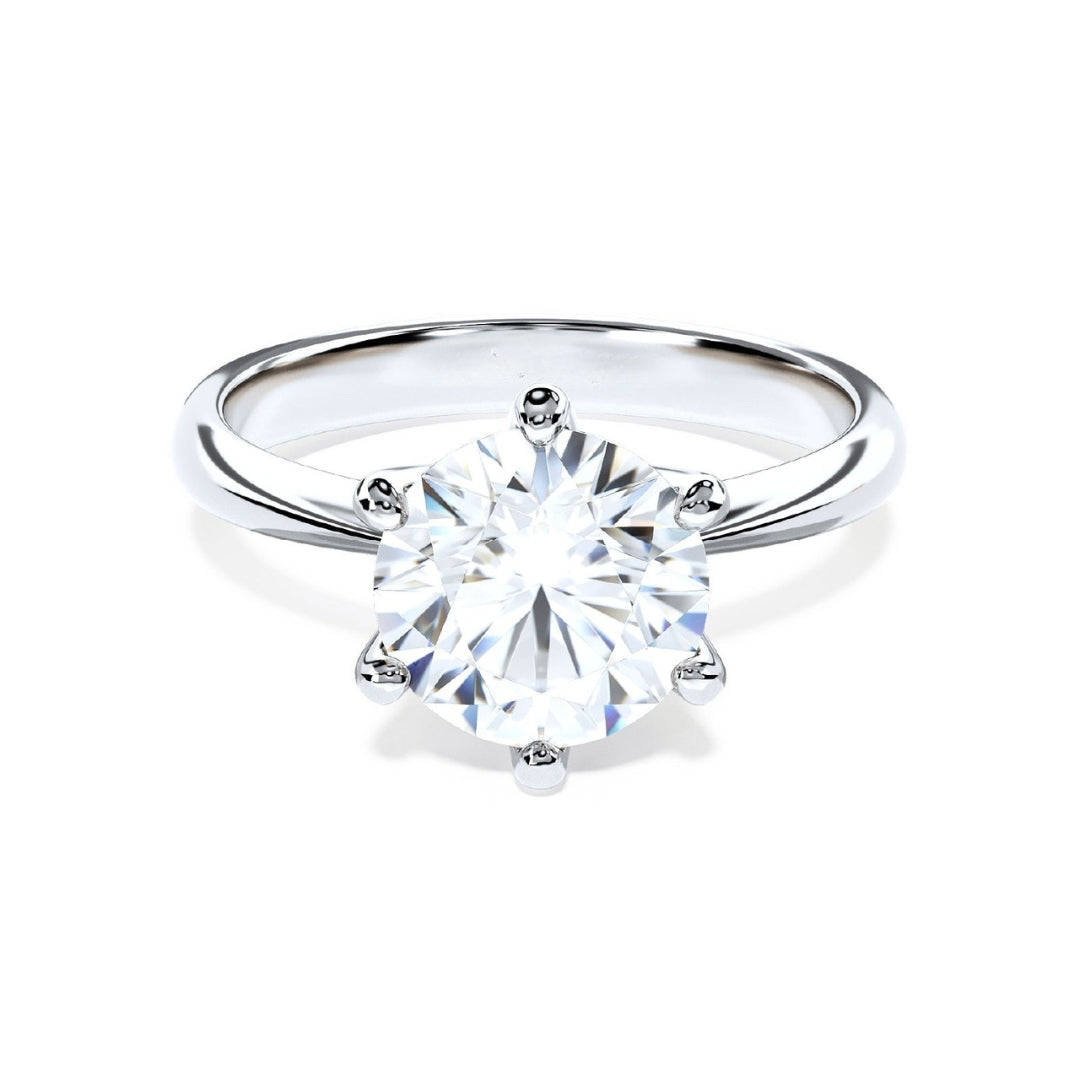
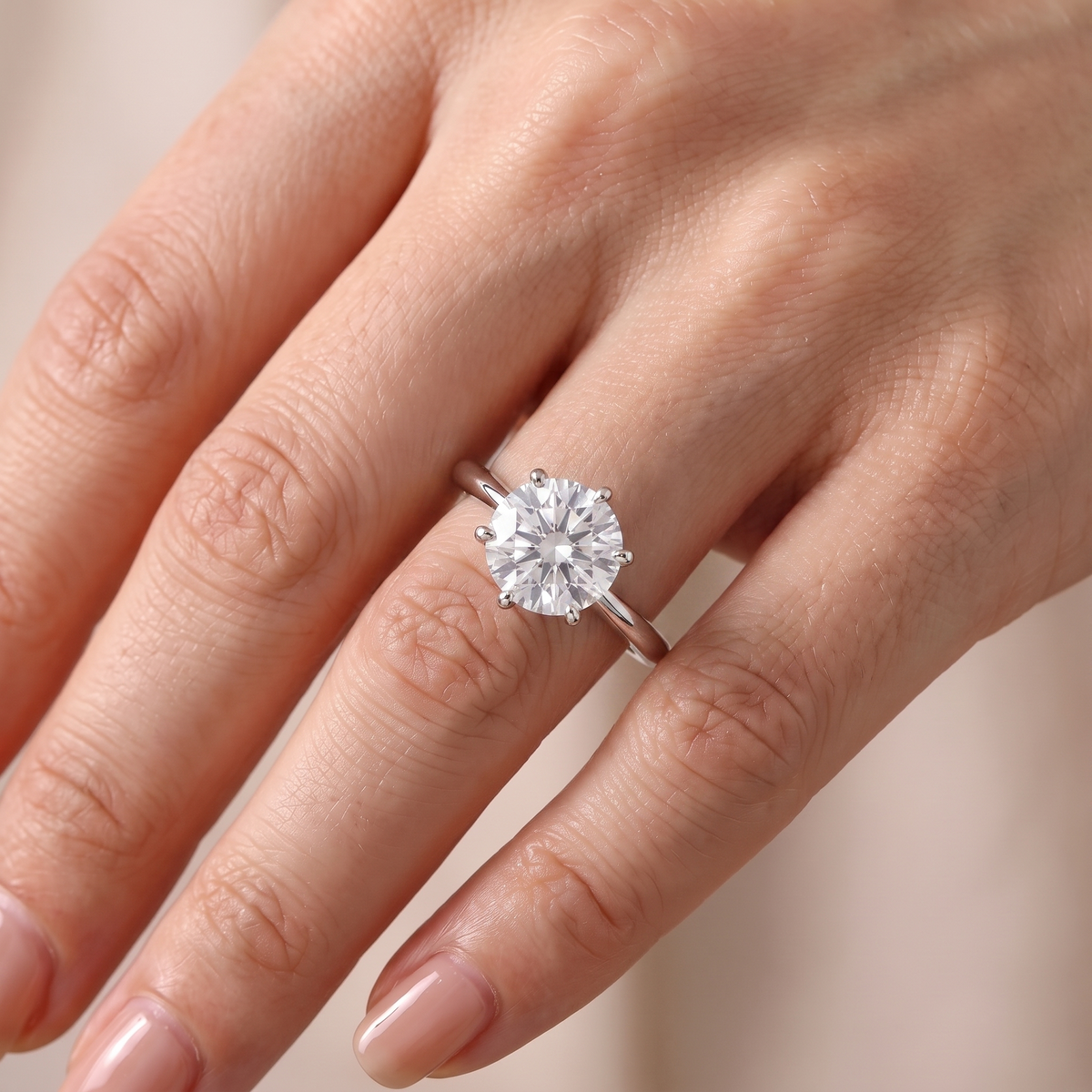
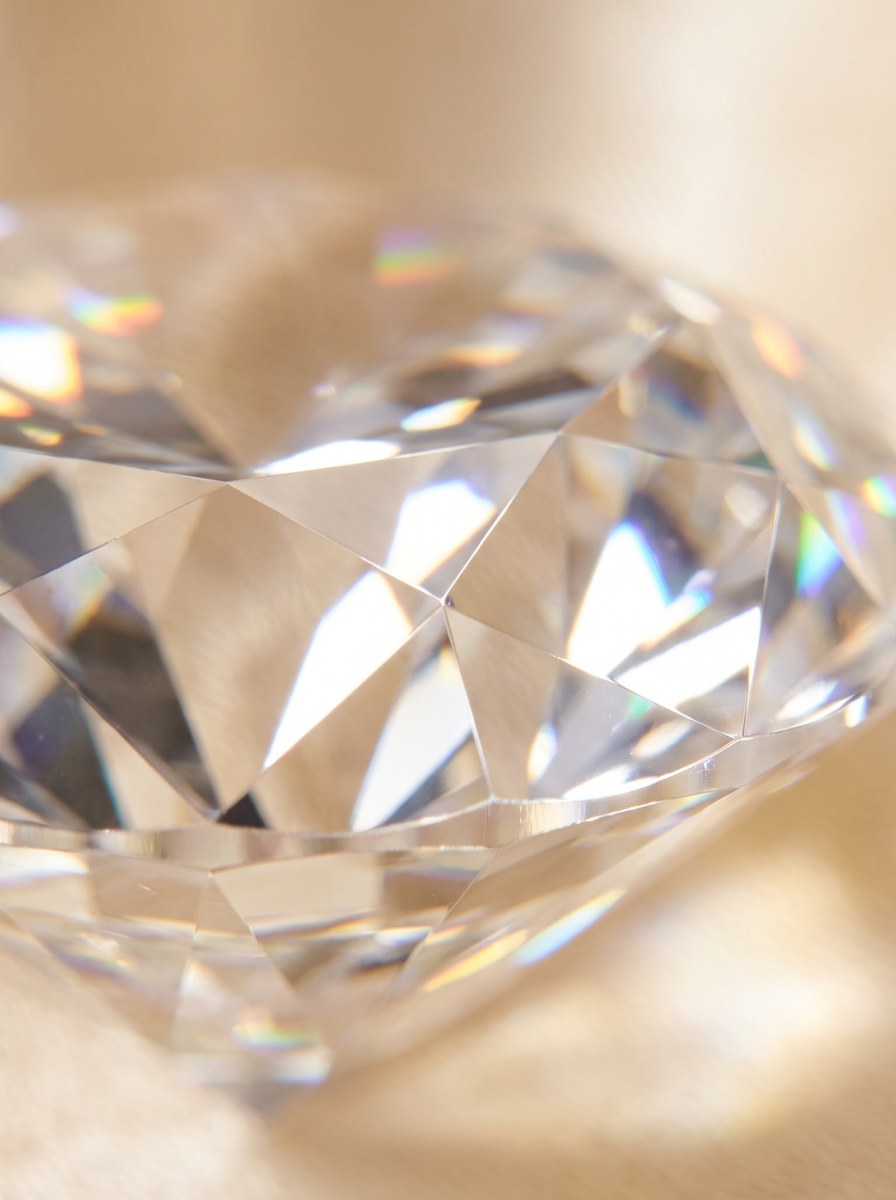
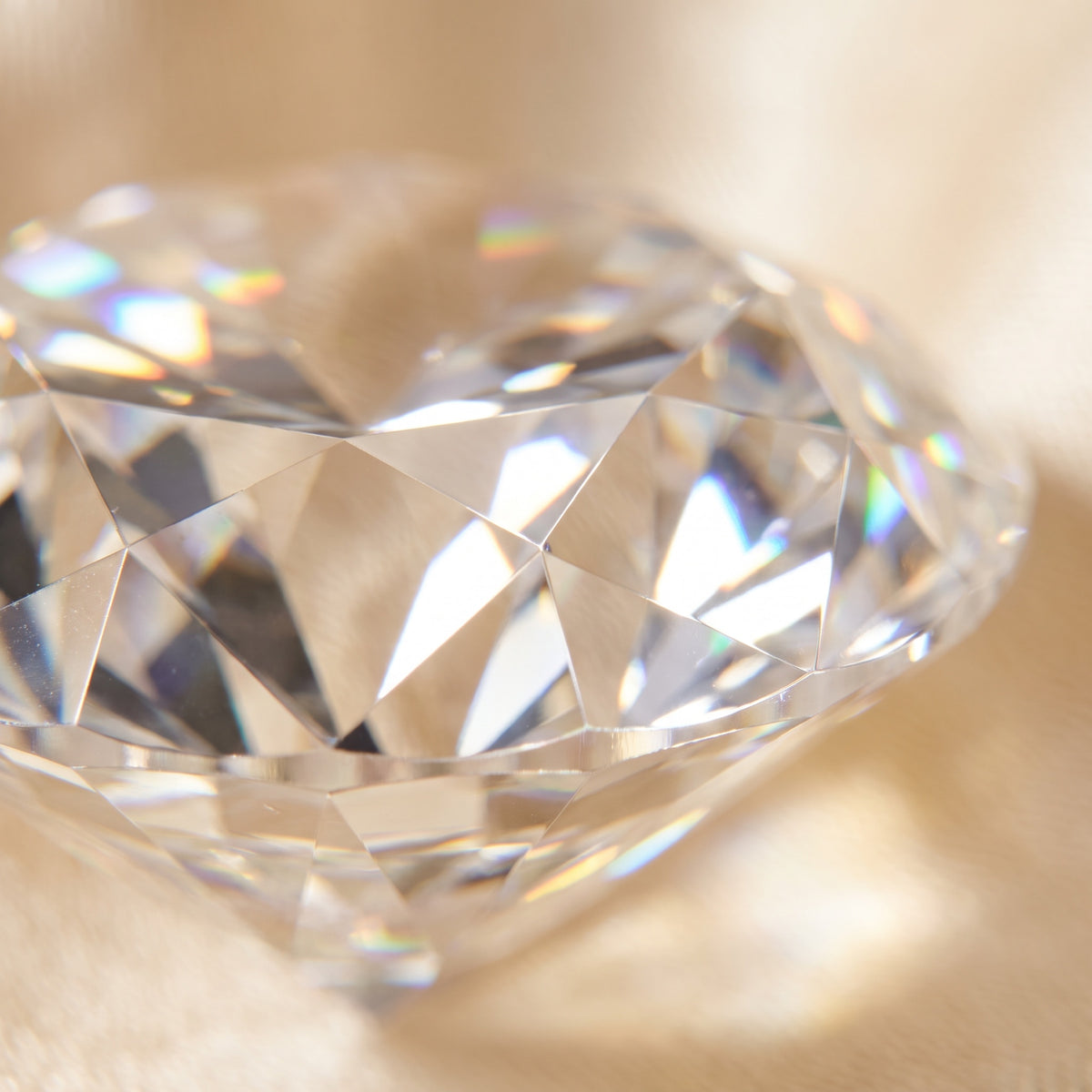
Dispersion is the measurable ability of a stone to split white light into colour. Diamond sits at 0.044. Moissanite sits at 0.104 — roughly 2.4 times as much.
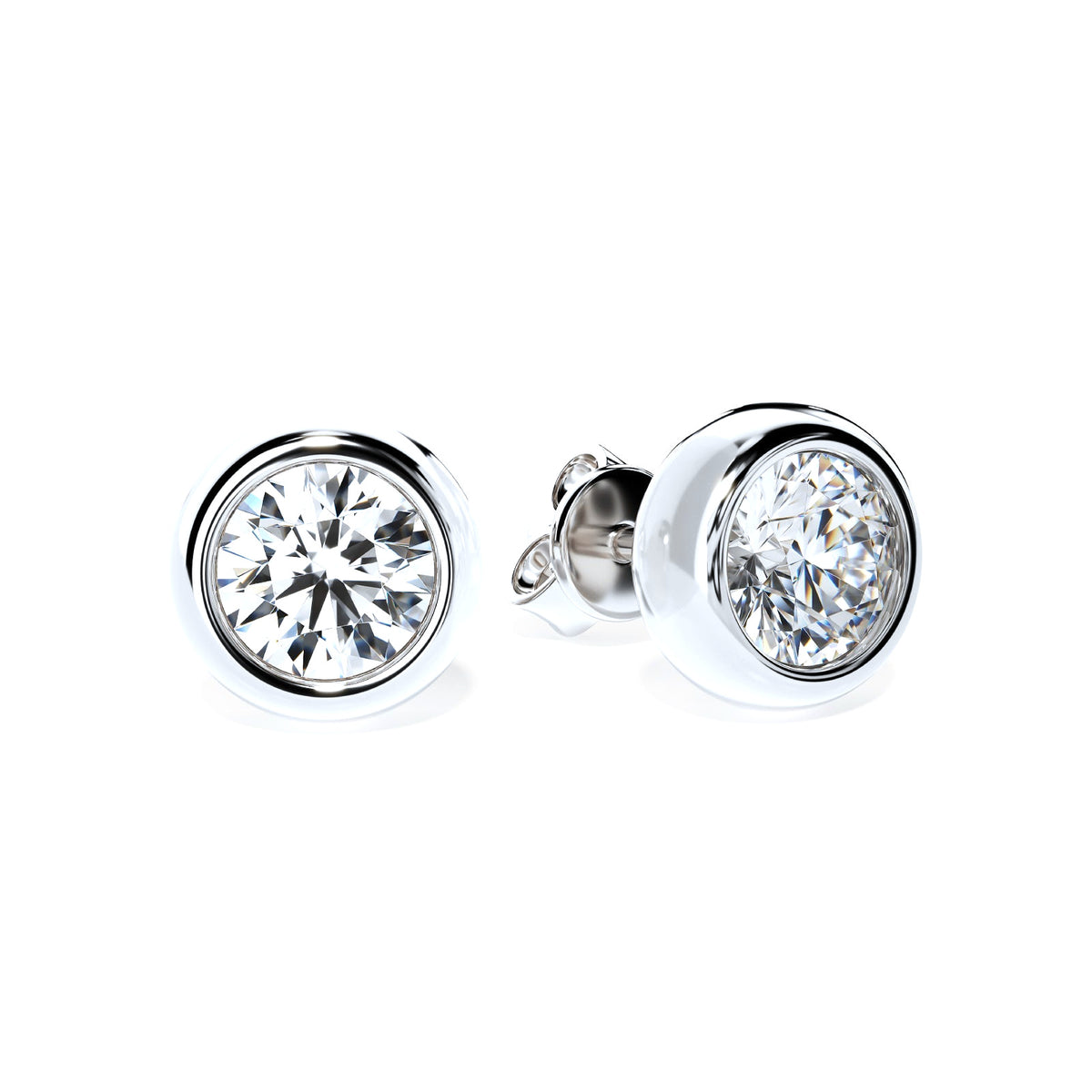
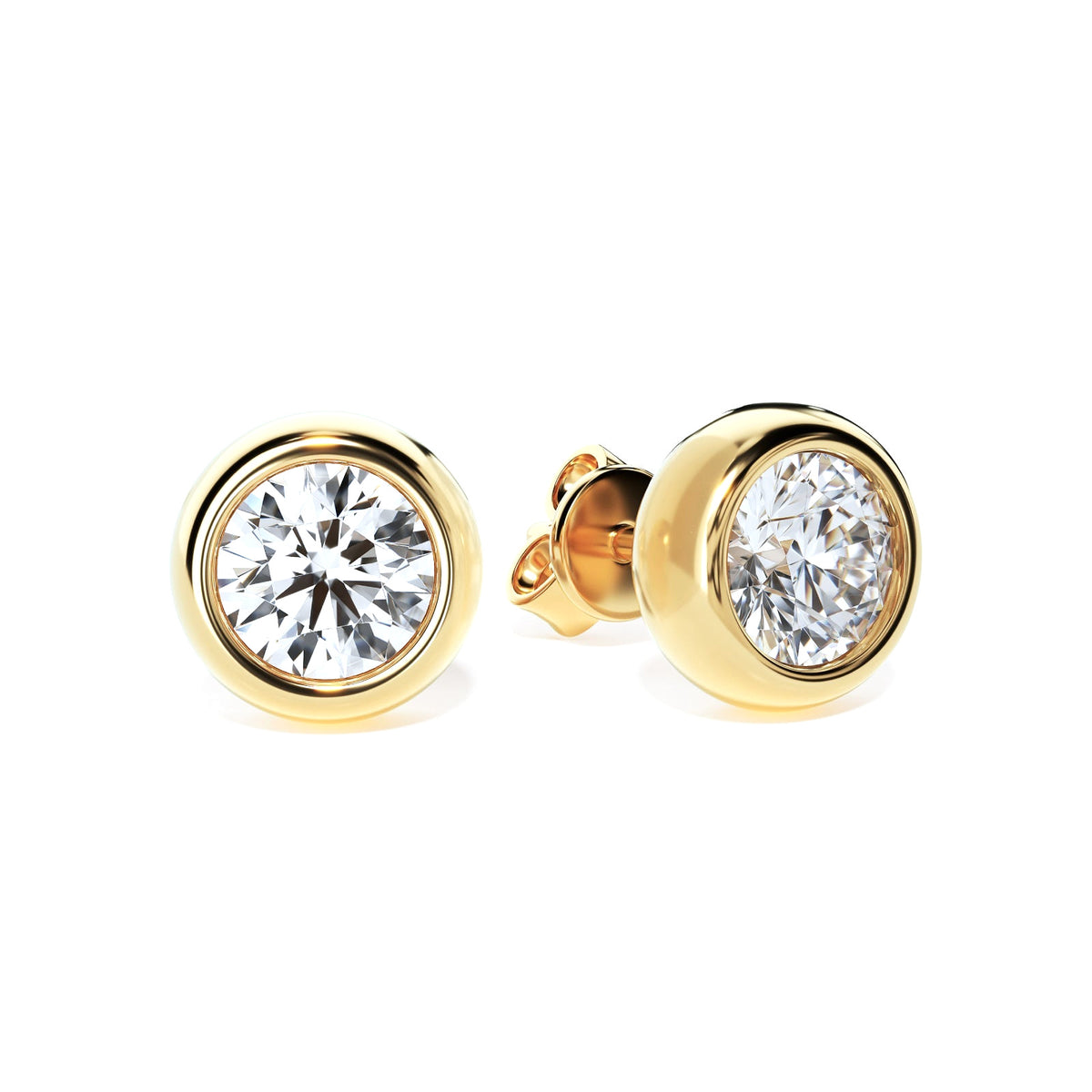
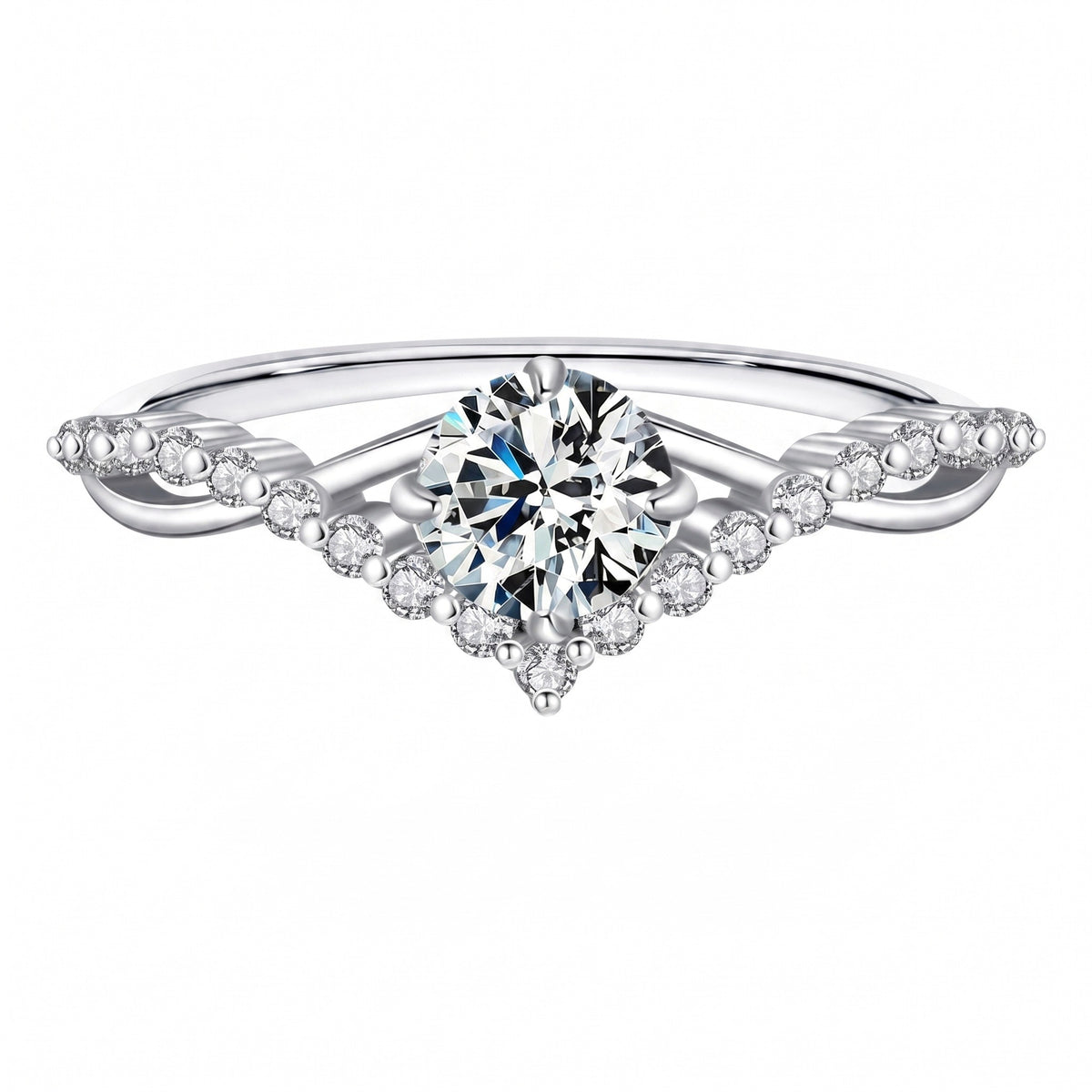
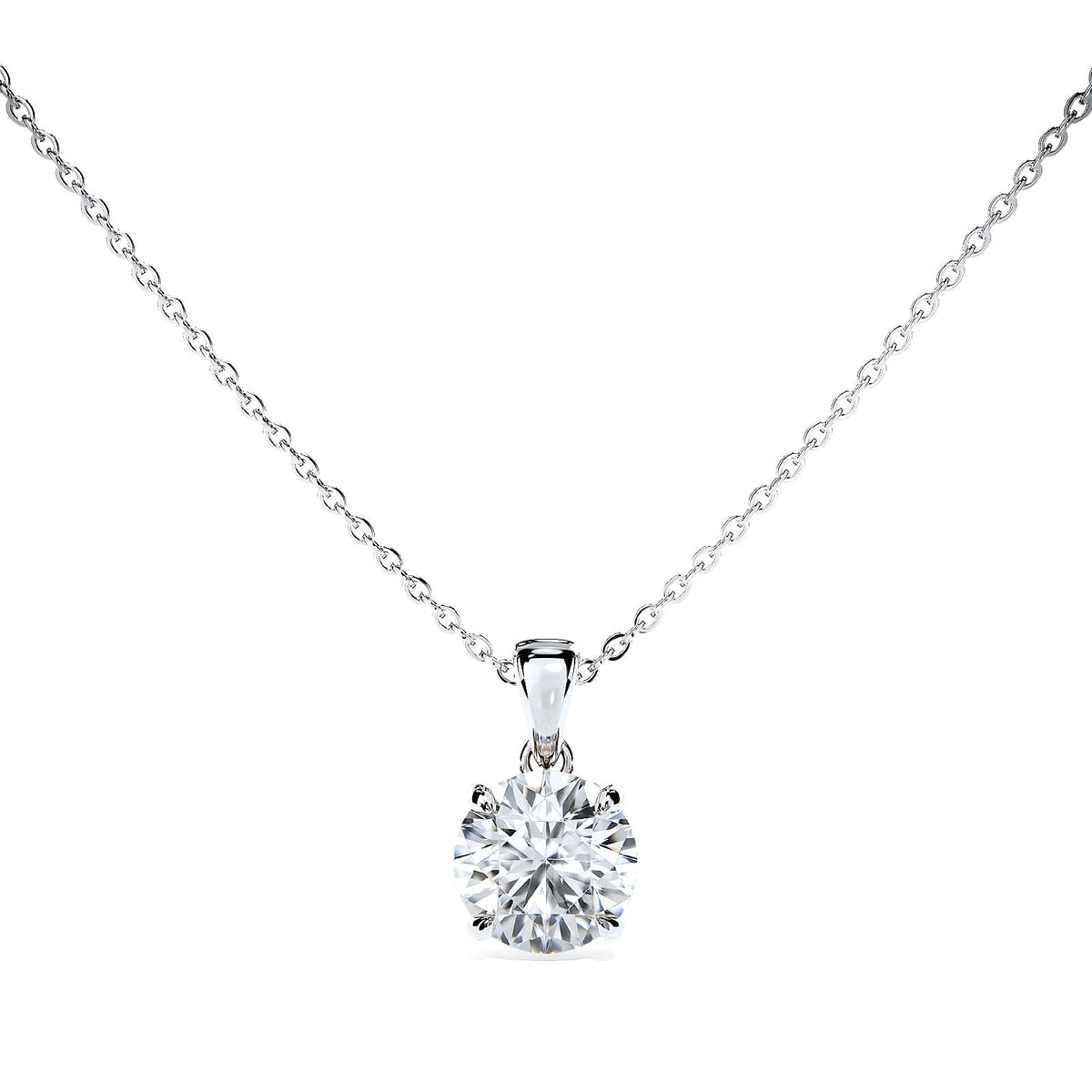
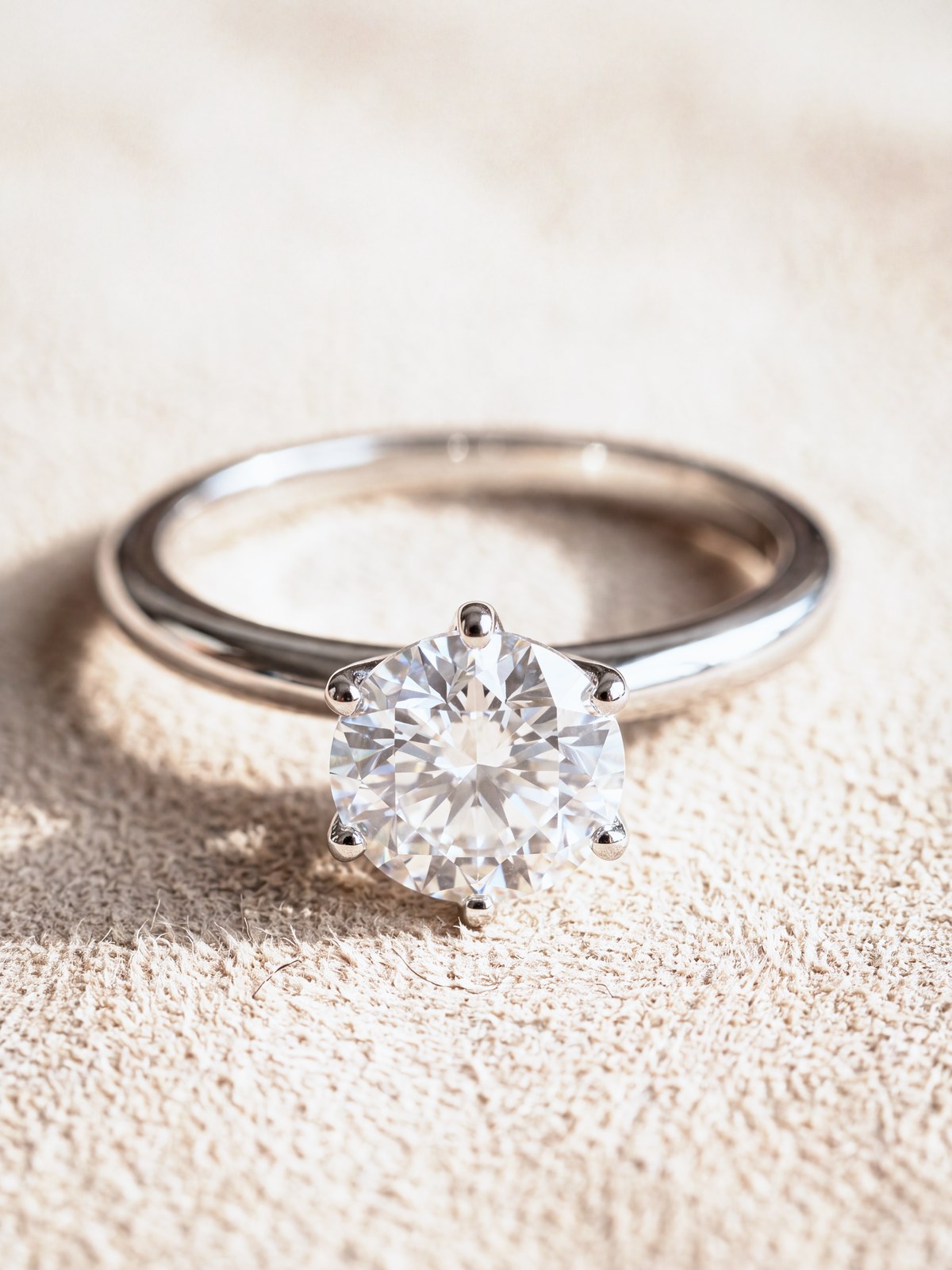
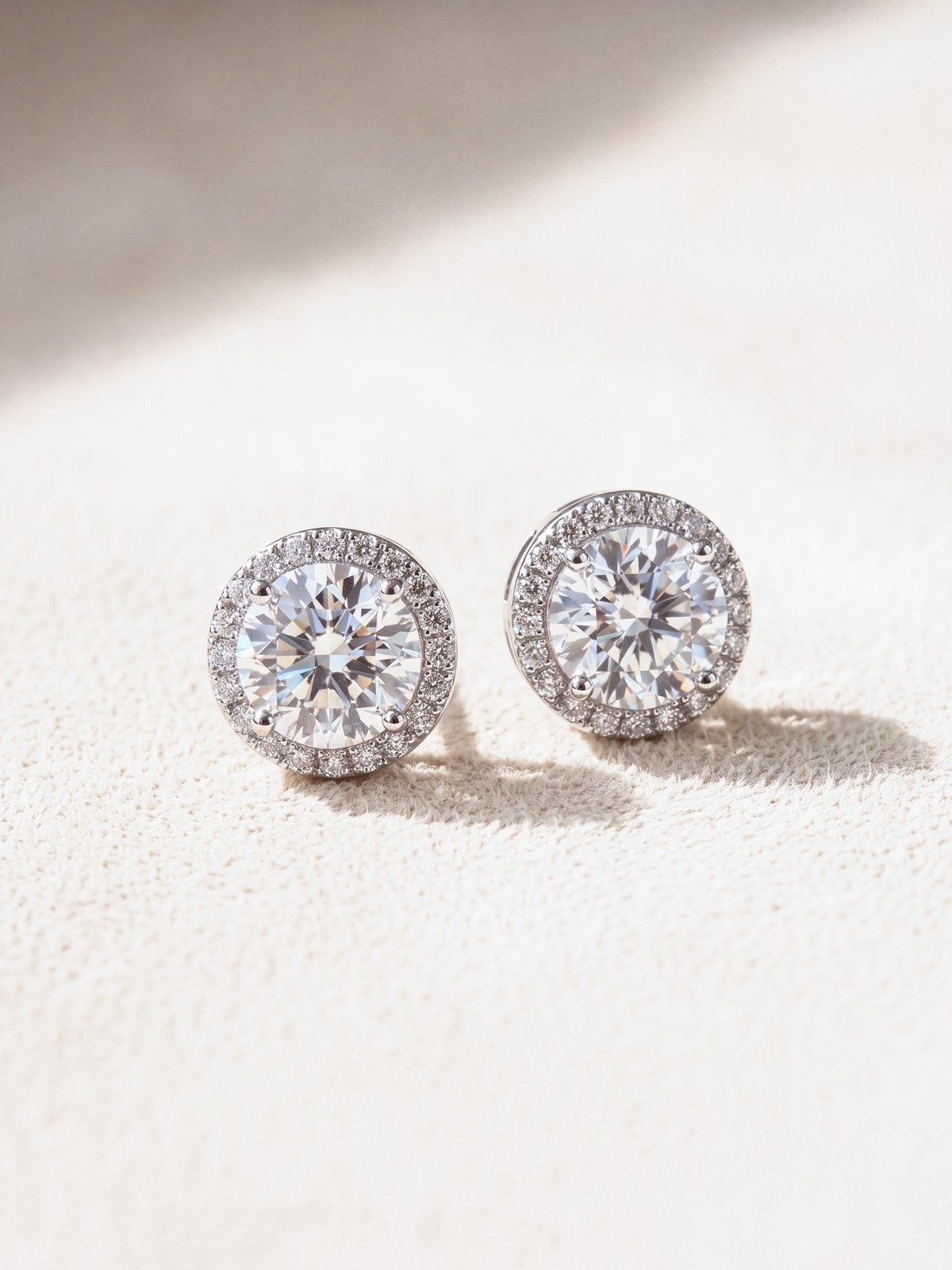
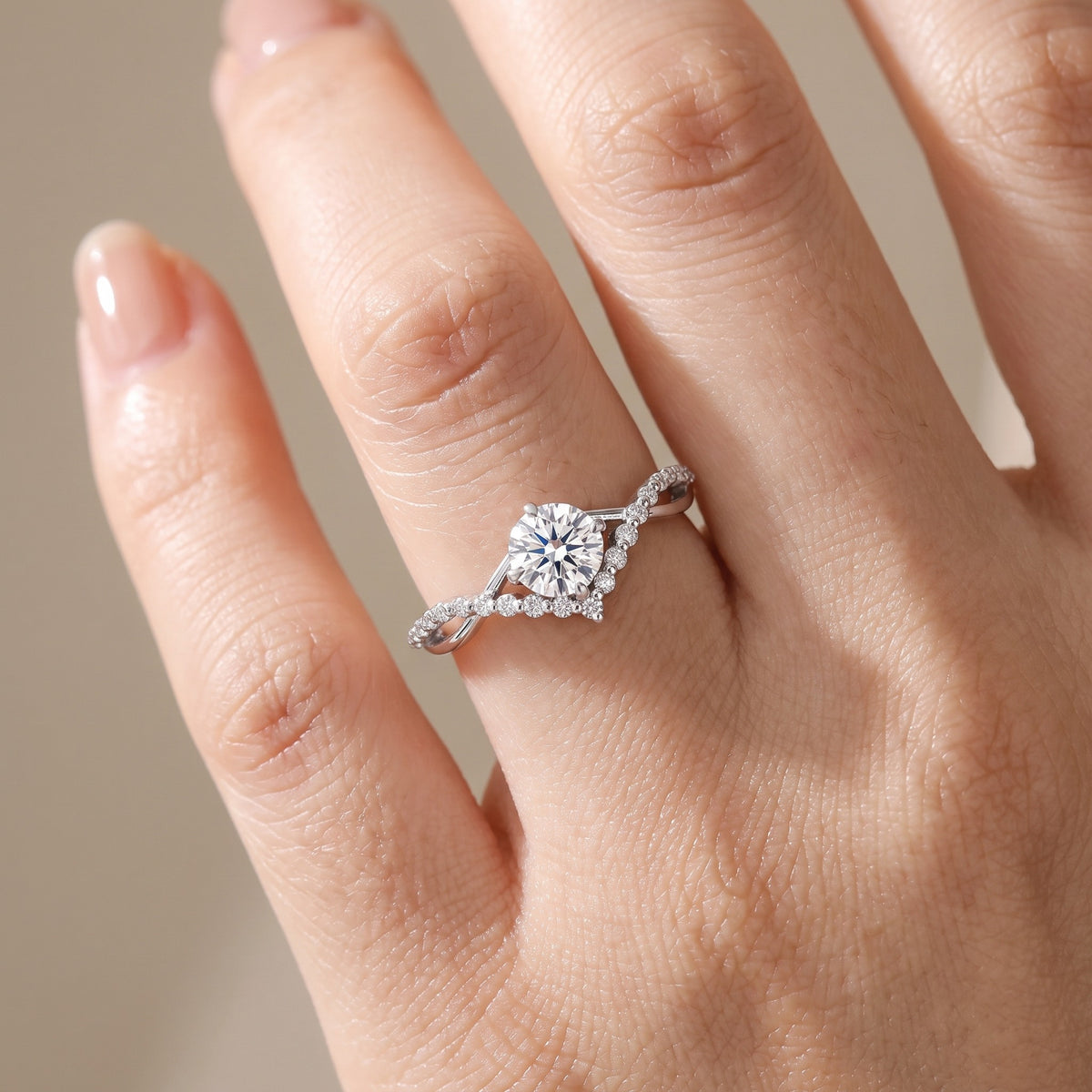
That is the rainbow you catch out of the corner of your eye when your hand moves. Diamond returns more white brilliance; moissanite returns more colour. Neither is a flaw. They are simply two different ways of handling light, and one of them is far more visible across a room.
What actually matters
The two questions worth asking.
Will people be able to tell?
Not by looking. Not by the standard test. The only ways are a specialised dual tester that almost nobody owns, or a gemologist doing a full loupe inspection — and even then they are checking for moissanite deliberately, not stumbling onto it.
Is it actually good?
This is the one that matters more. Moissanite throws 2.4× the fire of a diamond, scores 9.25 on the Mohs scale, and holds up to daily wear for decades. It is not a stand-in for something better. On several measurable counts, it is the better stone.
Side by side
Where each stone really sits.
The numbers, without the marketing. Refractive index and dispersion are measured optical properties — not opinions.
Moissanite — what we set
Mined diamond
Cubic zirconia
2.65 — bends more light back to your eye
2.42
2.15
9.25 — harder than sapphire, ruby, emerald
10 — the hardest natural mineral
8.25 — scratches and clouds with daily wear
2.4× a diamond — the rainbow flash you catch in motion
Baseline. Less than half of moissanite.
Low. Goes flat and grey over time.
Lab-grown. No mining.
Mined or lab-grown
Lab-grown
From $198
$8,000 – $15,000
Under $40 — and it shows
Where we stand
We are not hiding what it is.
Moissa does not sell “diamond alternatives” dressed up as diamonds. Every listing says moissanite, plainly, in the title and in the specs.
What we are arguing is not that nobody could ever tell — it is that the difference does not matter the way people assume, and the stone earns its place on its own terms.
Still curious
The follow-up questions.
Can a jeweller tell it is not a diamond?
With the right equipment and a trained eye, yes — moissanite has distinctive double refraction visible under 10x magnification. With the standard thermal tester at a mall counter, no.
Is it legitimate to sell this as jewellery?
Completely. Moissanite is recognised as its own gemstone category, not a simulant sold under false pretences. Every Moissa listing states the material clearly.
Will it look fake in photos or bright light?
The opposite complaint is more common. Some buyers find moissanite too lively for everyday wear because the fire is so pronounced. That is a matter of taste, not quality.
See it for yourself.